TRANSFORMERS IN PUBLIC POWER:
LIFECYCLE, RISK, AND ASSET STRATEGY
Transformers, whether installed on poles, pad-mounted, or as part of substation infrastructure, are critical assets in ensuring voltage regulation and operational flexibility across the distribution and sub-transmission network. As public power utilities adapt to infrastructure challenges and evolving demands, access to practical, vendor-backed solutions such as those offered by Power Grid Supply (PGS) can make a critical difference in maintaining performance and planning for the future.
THE ROLE OF TRANSFORMERS IN THE ELECTRICAL POWER GRID
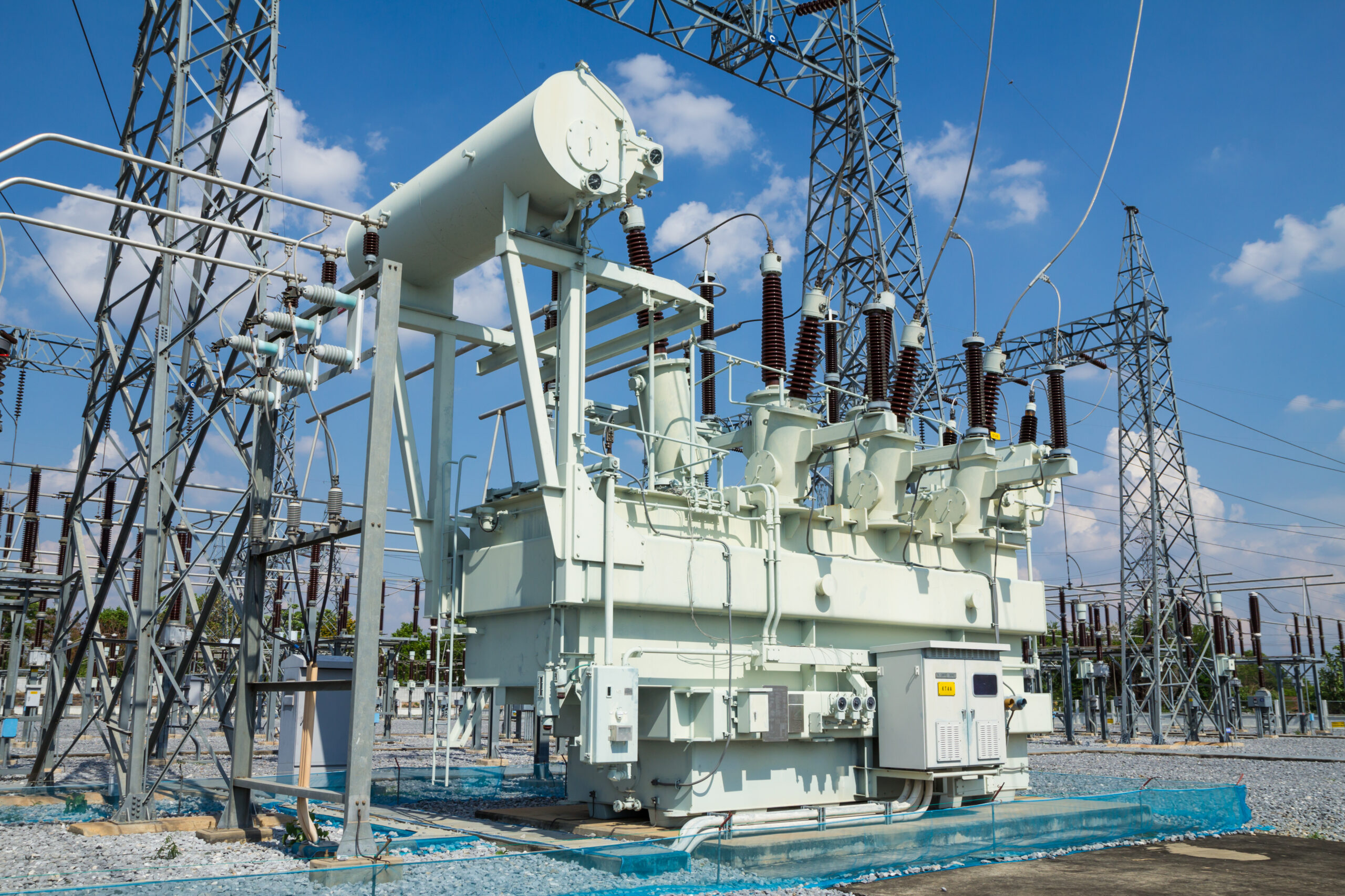
Transformers serve as voltage-regulating assets throughout transmission and distribution, adapting voltage levels to match system topology and end-use demands. Their deployment varies by function and network location:
Power Transformers
Deployed in transmission and sub-transmission networks to manage high-voltage step-up and step-down transitions between generation and primary substations.
Distribution Transformers
Positioned closer to the point of service, these units step voltage down to levels suitable for residential, commercial, or light industrial loads.

Pad-Mounted Transformers
Common in underground distribution systems and dense suburban areas where space constraints or aesthetic requirements limit overhead infrastructure.
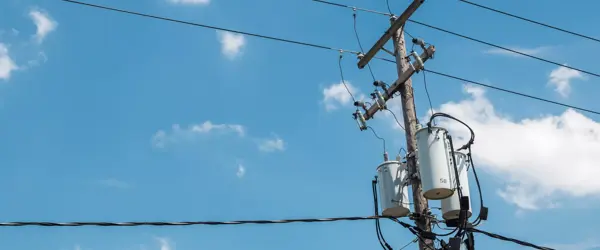
Pole-Mounted Transformers
Typically used in overhead distribution, especially in rural and small-town networks where accessibility and coverage take precedence.
KEY COMPONENTS AND MAINTENANCE CONSIDERATIONS
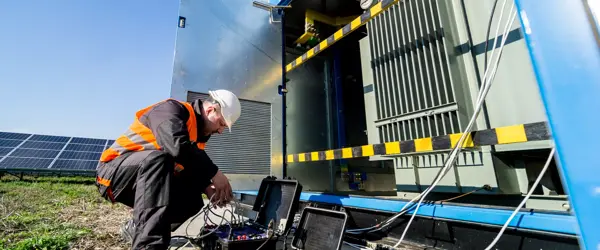
Though passive in design, transformers demand proactive upkeep to maintain peak performance across decades of service. Key components and their maintenance implications include:
Bushings
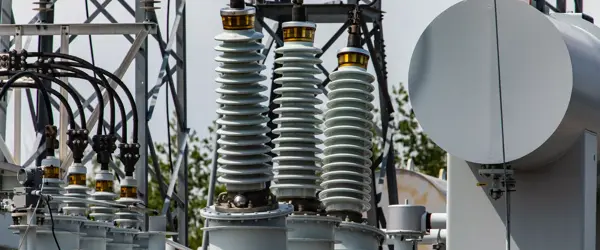
Vital for insulating connections. Degraded bushings are frequent failure points
Gaskets and Seals
Essential to maintain oil integrity. Leaks lead to fluid loss and electrical breakdown.
Cooling Systems
Heat management directly affects transformer lifespan. Regular checks ensure thermal performance.
Fluids
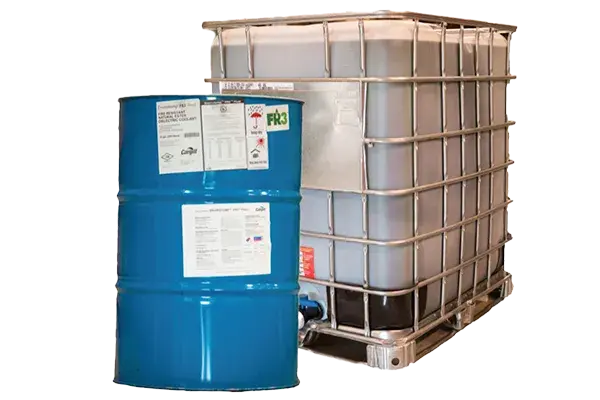
Oils such as mineral or FR3 serve dual roles, cooling and insulation. Periodic sampling reveals emerging issues.
Protective Devices
Surge arresters, pressure relief valves, and monitoring tools enhance operational safety.
Switches
Regular switch refurbishment—disassembly, lubrication, contact replacement—preserves reliability in load-tap changers and disconnects.
Utilities typically address these components during scheduled maintenance windows or post-storm inspections. Implementing standardized parts inventories and stocking programs improves repair cycle times and resilience.
COMMON CHALLENGES IN PUBLIC POWER TRANSFORMER MANAGEMENT
Public power utilities face a unique blend of technical, logistical, and regulatory transformer challenges. Below are four core issues and how Power Grid Supply (PGS) can help address them.
1. Aging Infrastructure
Challenge:
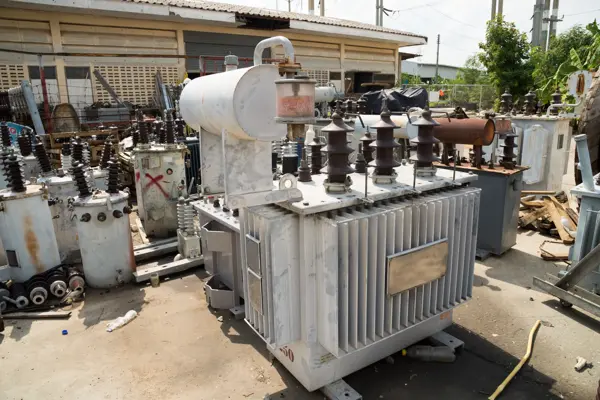
Many transformers in service today are 30–40 years old. Though some still operate effectively, aging dramatically increases the risk of faults, insulation failure, and fluid degradation.
PGS Solution:
To help extend the service life of aging units, PGS provides critical replacement components such as bushings, seals, and cooling parts, along with high-performance FR3 dielectric fluid. These products support routine maintenance, allowing utilities to restore performance and delay costly replacements without compromising safety or compliance.
2. Load Increases
Challenge:
Electrification trends such as EV charging, rooftop solar, and heat pump adoption have added stress to transformers not designed for today’s loads.
PGS Solution:
PGS delivers transformers built for higher capacity and thermal stress. They also supply FR3 dielectric fluid, which enhances thermal limits and improves longevity. This eco-friendly oil helps existing units accommodate higher loads without sacrificing safety or reliability.

3. Lead Times and Availability
Challenge:
Global supply chain issues have driven transformer lead times from months to well over a year especially for medium and high-power units.
PGS Solution:
PGS leverages one of the largest in-stock transformer inventories in the U.S., ensuring quicker fulfillment than typical OEM channels. Their sourcing flexibility including remanufactured units helps utilities maintain service timelines and emergency response readiness.

4. Environmental Compliance
Challenge:
Environmental regulations are tightening around legacy transformers with PCBs or petroleum-based fluids. Replacements must meet modern environmental and fire safety standards.
PGS Solution:
Through PGS, utilities can procure FR3 Fluid, a biodegradable, non-toxic ester fluid. Retrofitting with FR3 not only improves safety and compliance but also extends transformer life and operating temperature thresholds.